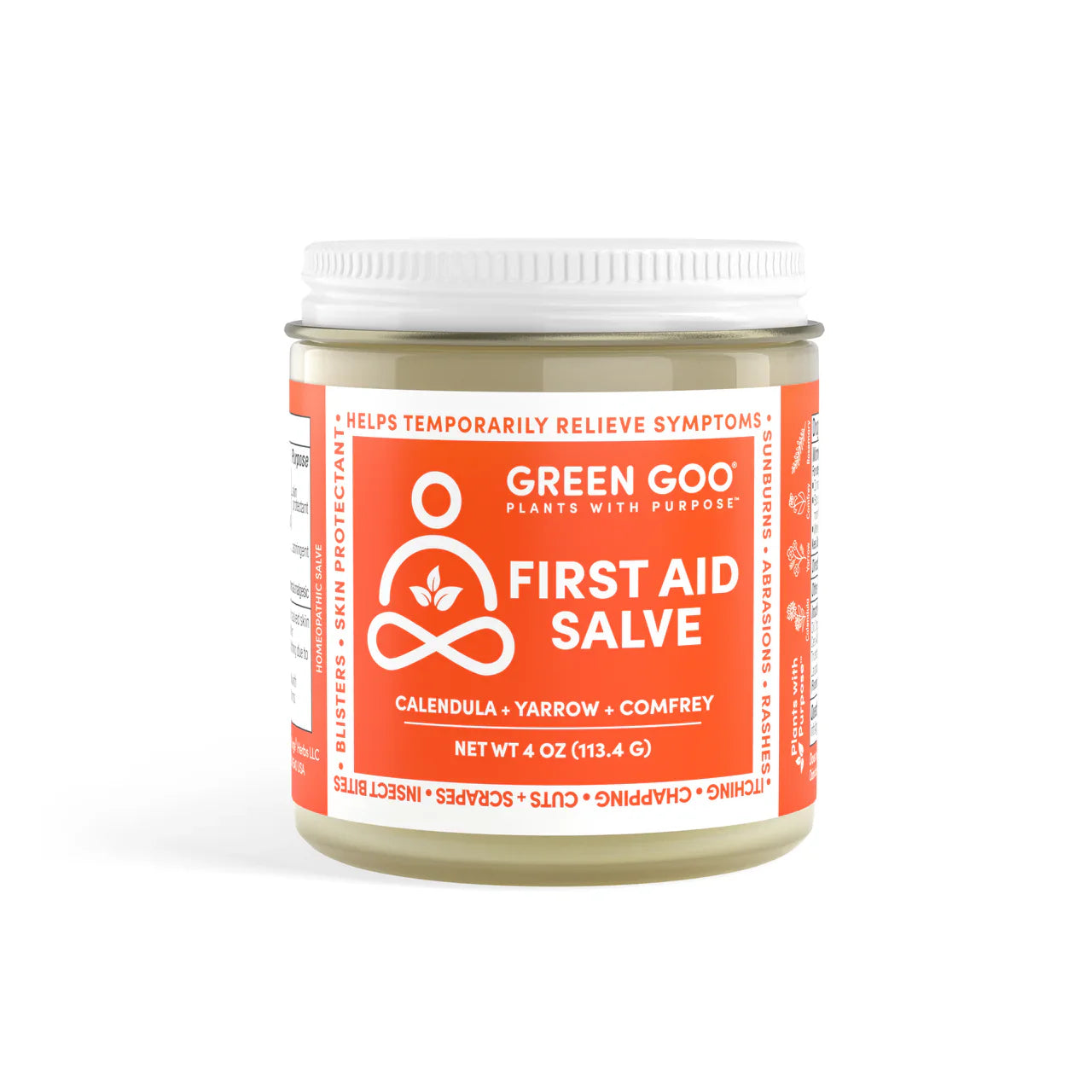
First Aid

First Aid

Shop first aid essentials chosen for practical care and thoughtfully selected ingredients.

Building a Non-Toxic First Aid Kit

Here’s what to keep on hand and what to replace in your conventional first aid kit:

What’s Wrong with Conventional First Aid Products?

Neosporin (neomycin + bacitracin + polymyxin B) is the most common OTC antibiotic ointment in American homes — and also one of the most common causes of allergic contact dermatitis, with neomycin ranking among the top contact allergens identified by dermatologists. Bacitracin is similarly problematic. For minor wounds, antibiotic ointments provide no meaningful benefit over clean petroleum jelly for preventing infection, according to the American Academy of Dermatology — and they contribute to antibiotic resistance. Petrolatum itself is generally safe as a wound-covering occlusive, but it’s petroleum-derived and can be contaminated with polycyclic aromatic hydrocarbons (PAHs) if not properly refined. Synthetic-fragrance antiseptic wipes and sprays are also common sensitizers on compromised skin.

Non-Toxic Wound Care Essentials

For cleaning wounds: saline solution (sterile saltwater) is the gold standard — it’s effective, non-toxic, and doesn’t damage tissue the way hydrogen peroxide or iodine can. Colloidal silver sprays have antimicrobial properties and are a popular clean alternative, though evidence is more limited than for saline. For wound coverage and healing: raw honey (specifically Manuka honey with a verified MGO or UMF rating) has robust clinical evidence for antimicrobial activity and wound healing, including in antibiotic-resistant infections. Calendula-based ointments support skin healing without the sensitization risk of antibiotic ointments. For antiseptic use: tea tree oil at appropriate dilutions (1–2% in a carrier) has demonstrated antimicrobial efficacy. Alcohol (ethanol) remains one of the most effective and clean antiseptics for intact skin and surfaces.

Natural Remedies That Actually Work

Arnica gel or cream (topical, not internal) has good evidence for bruising and minor muscle soreness — look for standardized extracts. Aloe vera gel (pure, not the bright green synthetic versions loaded with dye and thickeners) is effective for minor burns and sunburn. Witch hazel is a well-established astringent for minor cuts, insect bites, and skin irritation — choose alcohol-free versions for sensitive skin. Lavender essential oil has mild antiseptic and calming properties and is one of the few essential oils generally safe for direct minor skin application at low dilution. For fever and pain: acetaminophen (Tylenol) and ibuprofen are the evidence-based OTC options — the natural alternatives (willow bark, homeopathic remedies) have insufficient evidence for acute fever management in children.

How We Vet

We screen first aid products for: no petroleum-derived ointments (petrolatum, mineral oil) as primary wound-contact ingredients, no synthetic fragrance in wound-care products, no problematic preservatives (parabens, formaldehyde-releasers), no neomycin or bacitracin in formulations where alternatives exist (both are common sensitizers causing allergic contact dermatitis), and no artificial dyes in any product applied to broken skin. We prioritize products with published clinical or independent efficacy data — "natural" is not sufficient if a product doesn’t actually work. Healing performance and ingredient safety are both required.

First Aid FAQs

  • Neosporin contains three antibiotics — neomycin, bacitracin, and polymyxin B — and neomycin is one of the most common causes of allergic contact dermatitis identified by dermatologists. Reactions range from mild redness and itching to significant skin inflammation, and the allergy can develop over time with repeated use, meaning you might use Neosporin for years before suddenly reacting to it. Bacitracin is similarly problematic — it’s a top-10 contact allergen and can cause serious anaphylactic reactions in sensitized individuals. Beyond the allergy risk, studies show that antibiotic ointments provide no meaningful benefit over plain petrolatum (Vaseline) for preventing infection in minor wounds — and routine topical antibiotic use contributes to antibiotic resistance. Safer alternatives for minor wounds: saline irrigation to clean the wound, followed by a calendula-based ointment or Manuka honey for healing. For intact skin around wounds, plain unrefined shea butter or clean plant oils support barrier recovery without the sensitization risk.

  • For minor burns (first-degree and small second-degree), the most important first step is cooling — run cool (not ice cold) water over the burn for 10–20 minutes immediately after injury. Ice should not be used as it can cause tissue damage. After cooling, pure aloe vera gel is the best-supported natural remedy for minor burns — it has demonstrated anti-inflammatory, antimicrobial, and wound-healing properties in multiple clinical studies. Use pure aloe gel (ideally straight from the plant or a minimally processed product without dyes, alcohol, or synthetic fragrance), not the bright green shelf products that are mostly thickeners and preservatives. Manuka honey is another well-evidenced option for burn wound management — it’s used in clinical wound care settings and creates a moist healing environment that reduces scarring. Avoid butter, toothpaste, and other home remedies — these trap heat and introduce bacteria. For any burn larger than 3 inches, burns on the face, hands, feet, or genitals, or any third-degree burn, seek medical care immediately rather than attempting home treatment.

  • Hydrogen peroxide is not recommended for wound care by most dermatologists and wound care specialists — despite being a medicine cabinet staple for generations. The problem: hydrogen peroxide is cytotoxic to fibroblasts, the cells responsible for tissue repair and wound healing. While it does kill some bacteria on contact, it also damages the healthy cells needed to close the wound, which can slow healing and increase scarring with repeated use. It’s also largely ineffective against biofilm-forming bacteria. The American Academy of Dermatology and most wound care guidelines recommend against routine hydrogen peroxide use for wound irrigation. The better alternative is sterile saline — it flushes debris and bacteria effectively without damaging tissue. For deeper wound cleaning or infection concerns, medical-grade Manuka honey or dilute povidone-iodine (used sparingly, not repeatedly) are more appropriate options. Plain 3% hydrogen peroxide from the drugstore is fine for surface disinfection of objects and surfaces — just not for irrigating wounds.

  • A clean first aid kit covers the same core needs as a conventional one — wound cleaning, infection prevention, healing support, pain relief, and burn care — with better ingredient choices at each step. Here’s what to include: sterile saline solution or wound wash (replaces hydrogen peroxide for wound cleaning), Manuka honey wound dressing or calendula ointment (replaces Neosporin), non-stick gauze pads and medical tape (look for latex-free options), arnica gel for bruising and muscle soreness, pure aloe vera gel for burns and sunburn, witch hazel for insect bites and minor skin irritation, a clean lip and skin balm (beeswax or plant-based, fragrance-free), children’s and adult acetaminophen or ibuprofen for fever and pain (the evidence-based choices), tweezers and sterile gloves, and a digital thermometer. What to leave out of a clean kit: Neosporin and bacitracin ointments, hydrogen peroxide for wound irrigation, synthetic-fragrance antiseptic wipes, and petroleum jelly from unknown sources. The goal is a kit that works as well as a conventional one while minimizing unnecessary chemical exposure when your skin barrier is already compromised.

  • The best natural antiseptic depends on the wound type and location. For cleaning minor cuts and scrapes, sterile saline solution is the gold standard — it’s effective at removing debris and bacteria without damaging healthy tissue the way hydrogen peroxide or iodine does. Both hydrogen peroxide and betadine (povidone-iodine) are commonly used but cytotoxic to fibroblasts — the cells responsible for wound healing — so they can actually slow healing with repeated use. For antimicrobial wound coverage, Manuka honey (with a verified UMF 10+ or MGO 263+ rating) has robust clinical evidence including randomized controlled trials showing efficacy against antibiotic-resistant bacteria like MRSA. It creates a moist healing environment, has natural hydrogen peroxide activity, and doesn’t cause the sensitization issues of topical antibiotics. Tea tree oil at 1–2% dilution in a carrier oil is another well-studied natural antimicrobial for intact or minimally broken skin. For wound healing support after initial cleaning: calendula officinalis has strong traditional use and emerging clinical evidence for wound healing and anti-inflammatory activity.

  • Yes — Manuka honey is one of the best-evidenced natural wound care ingredients available, with a substantial body of clinical research behind it. Unlike most "natural" wound care claims, Manuka honey’s efficacy is supported by randomized controlled trials and systematic reviews, including for antibiotic-resistant infections like MRSA. Its wound-healing activity comes from several mechanisms: methylglyoxal (MGO), the primary antimicrobial compound unique to Manuka honey; hydrogen peroxide activity generated by glucose oxidase; a low pH that inhibits bacterial growth; and an osmotic effect that draws fluid from wounds and creates a moist healing environment. Medical-grade Manuka honey is used in licensed wound dressings (including Medihoney, FDA-cleared for wound care) in clinical settings. For consumer use, look for Manuka honey with a verified UMF (Unique Manuka Factor) rating of 10+ or an MGO rating of 263+. Not all Manuka honey is equal — the market has significant fraud and mislabeling issues, so third-party certification is important. Regular store-bought honey has some antimicrobial properties but lacks the MGO concentration of authentic Manuka.