Cleaning Cloths and Towels

Cleaning Cloths and Towels

Find reusable cleaning cloths and towels chosen for durability and effective everyday cleaning.

How to Switch from Paper Towels to Reusable Cloths

Switching to reusable cleaning cloths doesn’t require a complete overhaul — here’s how to do it practically:

Unpaper Towels

Unpaper towels are reusable cloth squares that function as a direct substitute for paper towels — for wiping counters, cleaning spills, and general kitchen use. Organic cotton flannel is the most popular material: soft, absorbent, washable, and durable for hundreds of uses. Some versions snap together into a roll that fits a standard paper towel holder for an easy transition. GOTS-certified organic cotton is the cleanest option, free from pesticide residue and chemical processing finishes.

Microfiber Cloths: The Tradeoff

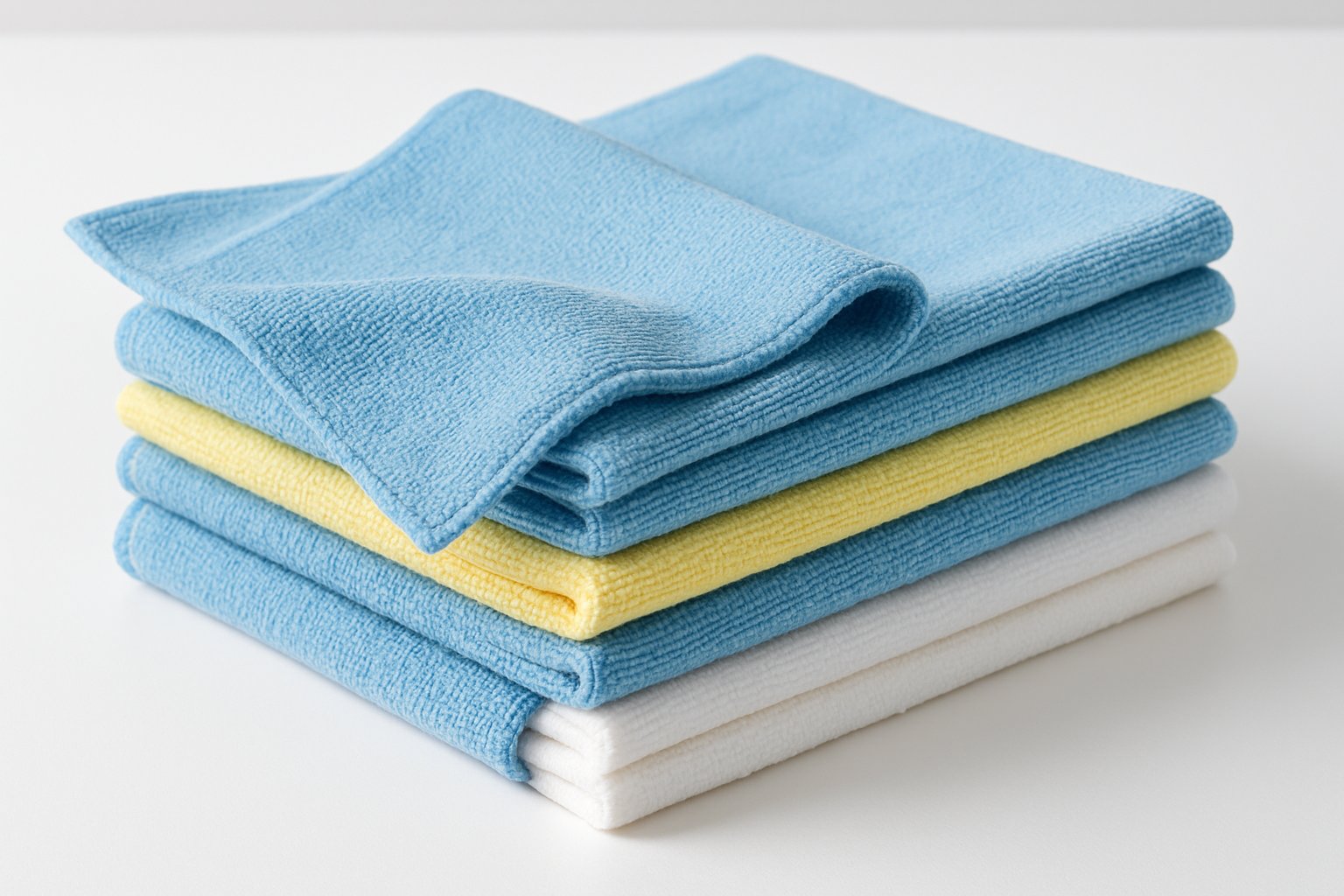
Microfiber cloths are excellent cleaners — their fine fibers trap bacteria, dust, and debris without the need for chemical cleaners, which is a genuine environmental and health benefit. The significant tradeoff is microplastic shedding: microfiber cloths release synthetic plastic fibers with every wash, which pass through wastewater treatment and enter waterways and ecosystems. If you use microfiber, wash in cold water (which sheds fewer fibers than hot), use a microfiber-catching laundry bag like a Guppyfriend, and replace less frequently by buying higher-quality cloths that shed less.

Organic Cotton Cleaning Cloths

For an all-around sustainable and non-toxic choice, organic cotton cleaning cloths beat both conventional cotton and microfiber. Conventional cotton is one of the most pesticide-intensive crops in the world — GOTS-certified organic cotton ensures the fiber was grown and processed without the most harmful chemicals. Cotton cleaning cloths are fully biodegradable at end of life, unlike microfiber, and don’t shed plastic into waterways.

How to Disinfect Reusable Cloths Without Bleach

Chlorine bleach is effective but harsh on fabric and produces harmful byproducts. Safer alternatives for sanitizing reusable cloths: washing in hot water (60°C/140°F) kills most pathogens effectively, boiling for 10 minutes works for cotton cloths, and white vinegar in the wash provides mild antimicrobial action and helps with odor. For heavily soiled cloths, soak in a solution of oxygen bleach (sodium percarbonate) before washing — it’s effective and breaks down into water, oxygen, and soda ash with no chlorine byproducts.

How We Vet

We look for cleaning cloths made from certified organic cotton (GOTS or OEKO-TEX), unbleached or naturally processed fibers, and materials free from chemical finishes, synthetic fragrance treatments, and optical brighteners. For microfiber products, we prioritize those with published data on microfiber shedding reduction and note the tradeoffs clearly. We avoid cloths with antimicrobial chemical treatments (like triclosan or silver-based biocides) — regular washing is sufficient for cleaning cloths and these treatments add unnecessary chemical load and contribute to antimicrobial resistance.

Cleaning Cloths and Towels FAQs

  • Yes — on virtually every measure. A single reusable cloth can replace 50–100+ paper towel uses before needing replacement, and quality cloths last for years with proper care. The lifecycle environmental impact of a reusable cloth — even accounting for washing water and energy — is significantly lower than the combined impact of the paper towels it replaces, which require tree harvesting, pulp processing, bleaching, and transportation before ending up in a landfill after a single use. From a cost standpoint, the average American household spends $150–$200/year on paper towels — a set of reusable cloths pays for itself within months. The main adjustment is workflow: keeping a designated bin for used cloths and washing them regularly. Most people who make the switch report they don’t miss paper towels at all within a few weeks.

  • Microfiber is a mixed story. On the positive side, microfiber cloths clean extremely effectively without chemical cleaners — their ultra-fine fibers physically trap bacteria, dust, and grease in a way natural fibers can’t match, which reduces the need for cleaning products and their associated chemical and packaging waste. On the negative side, microfiber is a synthetic plastic material (typically polyester or polyamide), and every time it’s washed it sheds microplastic fibers that pass through wastewater treatment systems and enter waterways, soil, and the food chain. Studies estimate a single microfiber cloth can shed hundreds of thousands of fibers per wash. The most sustainable approach if you use microfiber: wash less frequently, use cold water (sheds fewer fibers than hot), use a microfiber-catching laundry bag like the Guppyfriend, and replace with natural fiber alternatives where possible.

  • The best eco-friendly cleaning cloths combine effective cleaning performance with genuinely sustainable materials. GOTS-certified organic cotton is the gold standard — grown without synthetic pesticides, processed without harmful chemicals, fully biodegradable at end of life, and durable enough to last years with proper care. Organic cotton unpaper towels are ideal for kitchen and general household use. For scrubbing tasks, organic cotton terry or waffle-weave cloths provide more texture without the microplastic shedding of microfiber. Linen cleaning cloths are another excellent natural option — naturally antimicrobial, very absorbent, and extremely durable. The least sustainable options are conventional cotton (pesticide-intensive) and synthetic microfiber (microplastic shedding). If you’re switching from paper towels, starting with a set of organic cotton unpaper towels for the kitchen is the highest-impact first step.

  • Several effective bleach-free options work well for sanitizing reusable cleaning cloths. Washing in hot water (60°C/140°F) kills the vast majority of common household pathogens and is sufficient for routine cleaning cloths. For heavily soiled or smelly cloths, soak in oxygen bleach (sodium percarbonate, sold as OxiClean or Ecover Stain Remover) before washing — it’s effective against bacteria and stains and breaks down into water, oxygen, and soda ash with no chlorine byproducts. Boiling cotton cloths for 10 minutes is a chemical-free option that kills virtually all pathogens. White vinegar added to the rinse cycle provides mild antimicrobial action and eliminates odors. For routine use, designating different cloths for different tasks (kitchen vs. bathroom vs. general surfaces) and washing frequently reduces the need for heavy disinfection. Air drying in sunlight also has a natural UV disinfecting effect.

  • For most household cleaning tasks, yes — with the right cloth and technique. Organic cotton terry and waffle-weave cloths are highly absorbent and effective for wiping surfaces, cleaning spills, and general kitchen use. Linen cloths are naturally lint-free and excellent for glass and smooth surfaces. Where microfiber genuinely outperforms natural fibers is in dry dusting and bacteria removal without water — the ultra-fine synthetic fibers create an electrostatic charge that lifts and traps dust and pathogens more effectively than cotton alone. For households prioritizing sustainability, a practical approach is to use organic cotton cloths for the majority of cleaning tasks and reserve a small number of high-quality microfiber cloths (washed in a Guppyfriend bag) specifically for dusting or tasks where their performance advantage matters. That way you get the best of both without heavy reliance on plastic-shedding synthetics.

  • With proper care, quality organic cotton cleaning cloths can last several years and hundreds of washes. Wash in warm or hot water with a fragrance-free, dye-free detergent — avoid fabric softener, which coats fibers and reduces absorbency over time. Skip the dryer when possible and air dry instead to extend fabric life and save energy; if you do use a dryer, low heat is gentler on fibers. Treat stains promptly by rinsing in cold water before washing — hot water can set protein-based stains. For odor or buildup, soak in an oxygen bleach solution before washing rather than reaching for chlorine bleach, which degrades cotton fibers with repeated use. Keep a small lidded bin or wet bag for used cloths between washes so they don’t dry out with residue on them. Designating cloths by task — different colors or textures for kitchen, bathroom, and general surfaces — makes the system easier to manage and extends the life of each cloth.