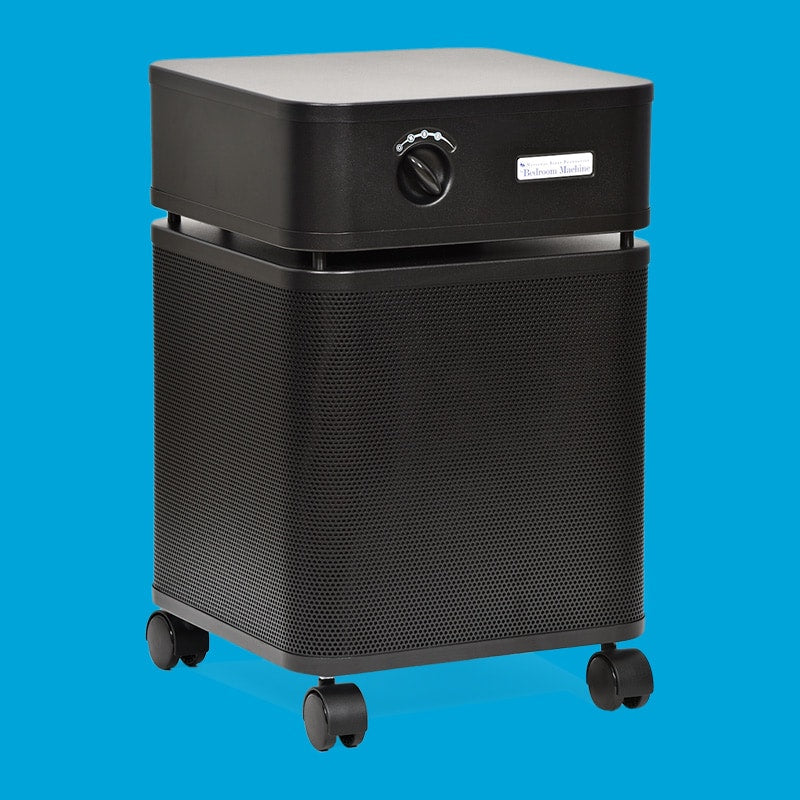
Air Filters & Purifiers

Air Filters & Purifiers

Indoor air is often more polluted than outdoor air — off-gassing from furniture, flooring, and building materials, plus dust, mold, pet dander, and VOCs from cleaning products all accumulate in enclosed spaces. A good air purifier addresses this effectively. We’ve spent years testing and curating this collection for our own homes: every purifier and filter here is chosen for genuine performance, not marketing claims.

How to Choose the Best Air Purifier for Your Home

True HEPA vs. HEPA-Type: Why It Matters

True HEPA filters capture 99.97% of particles 0.3 microns and larger — including dust, pollen, mold spores, pet dander, and many bacteria. “HEPA-type” or “HEPA-style” filters are marketing terms with no standardized performance requirement and can capture significantly less. Always verify your purifier uses a certified True HEPA filter. For VOCs, smoke, and odors — which HEPA alone doesn’t address — you also need a substantial activated carbon filter. Thin carbon layers in budget purifiers provide minimal VOC removal; look for units with a meaningful amount of activated carbon (several pounds in high-quality units).

Sizing an Air Purifier to Your Room

Air purifier effectiveness is measured by CADR (Clean Air Delivery Rate) for dust, pollen, and smoke, and by ACH (Air Changes per Hour) for your room size. For most bedrooms and living spaces, you want at least 4-5 air changes per hour. Match the purifier’s recommended square footage to your room — and go larger if you have high ceilings, an open floor plan, or significant pollution sources. Running the purifier continuously on a lower setting is more effective than running it on high intermittently.

Avoid Ozone-Generating Air Purifiers

Some air purifiers use ionizers or UV-C technology that generates ozone as a byproduct. Ozone is a lung irritant that can worsen asthma and respiratory conditions — the EPA and California Air Resources Board have both flagged ozone-generating air purifiers as a health concern. Stick to purifiers that rely on mechanical filtration (True HEPA) and activated carbon, which clean the air without introducing new pollutants.

Read our full How to Choose the Best Air Filter Guide for brand-by-brand reviews and room-by-room recommendations.

We look for true HEPA filtration (not “HEPA-type” or “HEPA-style”), activated carbon filters for VOC and odor removal, clean materials that don’t off-gas themselves, and verified CADR (Clean Air Delivery Rate) appropriate for the room size. We avoid ozone-generating ionizers and purifiers that produce ozone as a byproduct, which can irritate airways and is a lung irritant at elevated concentrations. Units should be third-party tested and have independently verifiable performance data.

Air Filter FAQs

  • The best home air purifier depends on your primary concern and room size, but the non-negotiables are the same across situations: true HEPA filtration (not “HEPA-type”), a substantial activated carbon filter for VOCs and odors, and no ozone generation. For most homes, a unit that covers your bedroom first is the highest-impact starting point — you spend 7-8 hours there breathing filtered air while you sleep. For chemical sensitivity, off-gassing concerns, or wildfire smoke, you want a unit with significantly more activated carbon than standard consumer purifiers offer. Room size, ACH (air changes per hour), and filter replacement costs all factor into the real-world value of any unit.

  • Austin Air is one of the most respected air purifier brands for serious air quality needs, and the value calculation looks different than for typical consumer purifiers. The units are built to last 5+ years with a single filter replacement cycle (filters last 3-5 years depending on use), made entirely in the US, and contain significantly more activated carbon than comparable-priced competitors — which makes a real difference for VOC removal, chemical sensitivity, and smoke. The upfront cost is higher than mass-market options, but the total cost of ownership over 5 years is often comparable or lower when you factor in filter longevity. For anyone with chemical sensitivities, asthma, or a high-pollutant environment, Austin Air is consistently one of our top recommendations.

  • The main differences come down to carbon quantity, build quality, and filter longevity. Most consumer air purifiers contain a thin carbon pre-filter — measured in ounces — that provides minimal VOC and chemical removal. Austin Air units contain pounds of activated carbon and zeolite, which is the meaningful difference for anyone concerned about off-gassing, formaldehyde, smoke, or chemical odors. The steel construction means the unit itself doesn’t off-gas plasticizers the way cheaper plastic-housing purifiers can. Filters last 3-5 years vs. 6-12 months for most consumer units. The tradeoff is upfront cost and weight — Austin Air units are heavy and not meant to be moved frequently.

  • No — ozone-generating air purifiers are not safe for occupied spaces. Ozone (O₃) is a lung irritant that can worsen asthma, cause chest pain, coughing, and shortness of breath, and damage lung tissue with repeated exposure. The EPA, California Air Resources Board, and American Lung Association all advise against using ozone generators in occupied spaces. Some purifiers marketed as “ionizers” or “plasma” purifiers also generate ozone as a byproduct without disclosing it prominently. Safe air purification relies on mechanical filtration (true HEPA) and activated carbon — both of which clean the air without introducing new pollutants. None of the purifiers we carry generate ozone.

  • Match the purifier’s rated square footage to your room — and size up if you have high ceilings (above 8 feet), an open floor plan, or significant pollution sources like pets, cooking, or off-gassing materials. The key metric is ACH (air changes per hour): for general use, aim for 4-5 ACH; for allergy or asthma sufferers, 6+ ACH is preferable. A purifier rated for a larger room running on a lower, quieter setting is often more effective than running a correctly-sized unit on high. Your bedroom is the highest-impact room to prioritize first — 8 hours of continuous filtered air during sleep makes a significant cumulative difference in total daily exposure.

  • Yes — but only if they have a substantial activated carbon filter. HEPA filters capture particles (dust, pollen, mold, pet dander) but do not remove gases or VOCs. Activated carbon adsorbs VOCs, formaldehyde, benzene, smoke odors, and other chemical pollutants through a chemical bonding process. The amount of carbon matters enormously: a thin carbon pre-filter found in most consumer purifiers provides minimal VOC removal, while a unit with several pounds of activated carbon provides meaningful, sustained chemical filtration. If VOCs are your primary concern — from new furniture, flooring, paint, cleaning products, or outdoor pollution — prioritize carbon quantity over brand name when choosing a purifier.

Popular Blog posts

View all