How to Choose Safe Toys for Babies and Toddlers
Young children interact with toys differently than older kids — they mouth them, hold them for extended periods, and play on floors where toy materials shed into dust. Here’s what actually matters when evaluating toy safety:
The Best Toy Materials for Babies and Toddlers
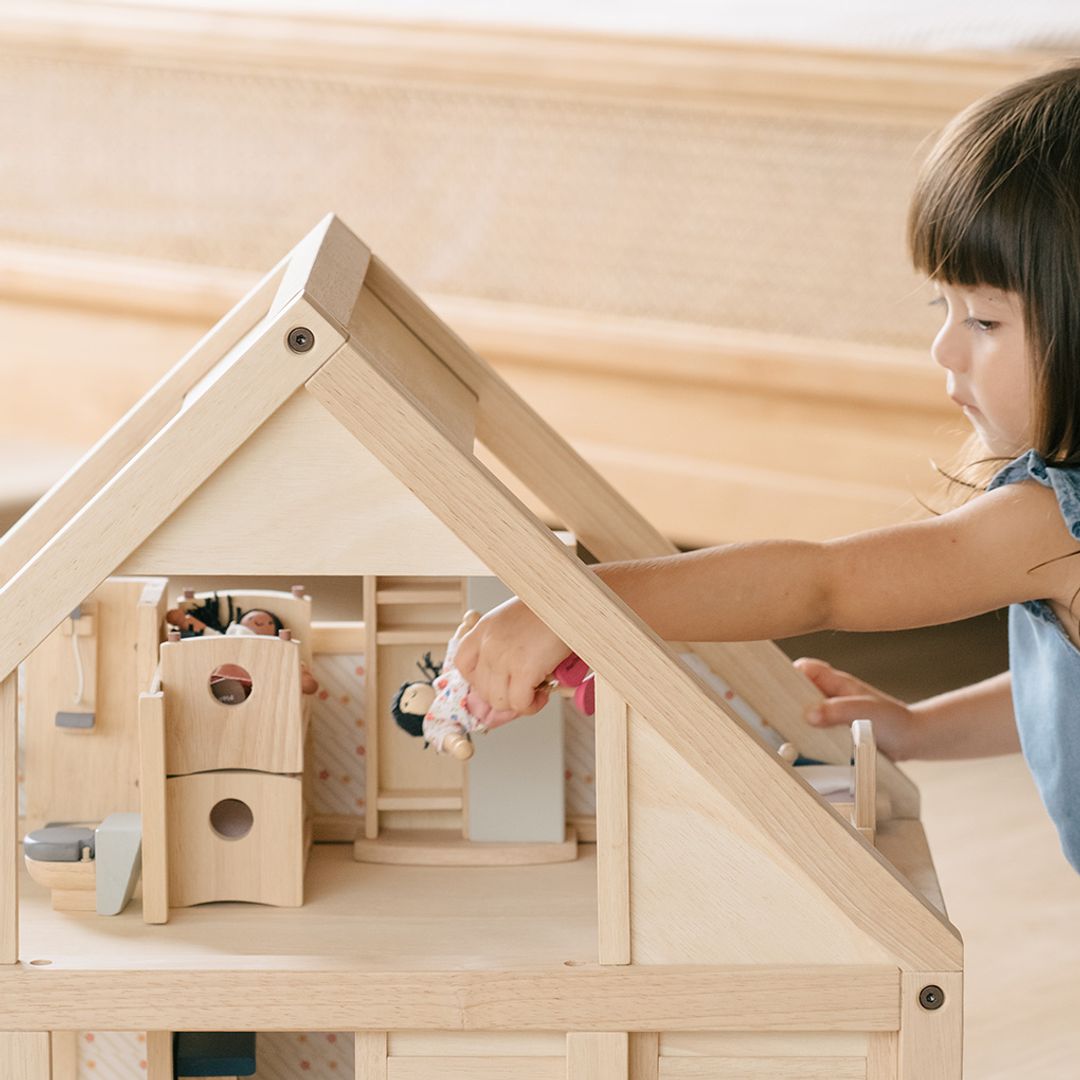
Solid wood is our top recommendation — durable, biodegradable, and when finished with natural oils or water-based paints, completely safe for mouthing. Look for toys made from FSC-certified or sustainably sourced wood without MDF or particle board components. Natural rubber is excellent for teethers and early sensory toys — it’s soft, durable, and safe for extended mouthing when made from pure natural rubber without synthetic additives. GOTS-certified organic cotton is the standard for soft toys, stuffed animals, and fabric play items. Avoid soft PVC (the flexible plastic used in many bath toys, squeeze toys, and plastic dolls) — it requires plasticizers to achieve flexibility, and phthalate plasticizers are the most common choice despite their known endocrine disruption profile.
Battery-Free Toys: Better for Development and Safety
Battery-operated toys for infants and toddlers are a safety concern on two levels: battery compartments can fail and expose batteries (lithium button batteries are a serious ingestion hazard); and electronic toys with lights and sounds do the playing for the child rather than inviting open-ended exploration. The research on early childhood development consistently shows that simple, open-ended toys — wooden blocks, stacking rings, shape sorters, simple dolls, balls — produce better developmental outcomes than electronic toys that drive specific responses. Battery-free toys also eliminate the PCB and electronic component concerns present in electronic toys and tend to be more durable and longer-lasting. For the infant and toddler stage specifically, the developmental case for battery-free toys aligns perfectly with the safety case.
What Toys Are Safe for Babies?
For babies under 12 months, the safest toys are those made from single materials that are easy to clean and have no small parts: solid wood rattles and rings with natural finishes; natural rubber teethers from pure latex without synthetic additives; simple organic cotton soft toys with natural fill and OEKO-TEX certified dyes; and silicone teethers from food-grade silicone (not plastic). Avoid anything with small parts, button batteries, soft PVC, or synthetic dyes without safety certification. For toddlers 12–36 months, the material standards remain the same but age-appropriate complexity increases — wooden puzzles, stacking and sorting toys, simple vehicles, and open-ended building materials in natural wood or certified-safe materials are ideal. Check our full non-toxic toy guide for specific recommendations by age and developmental stage.