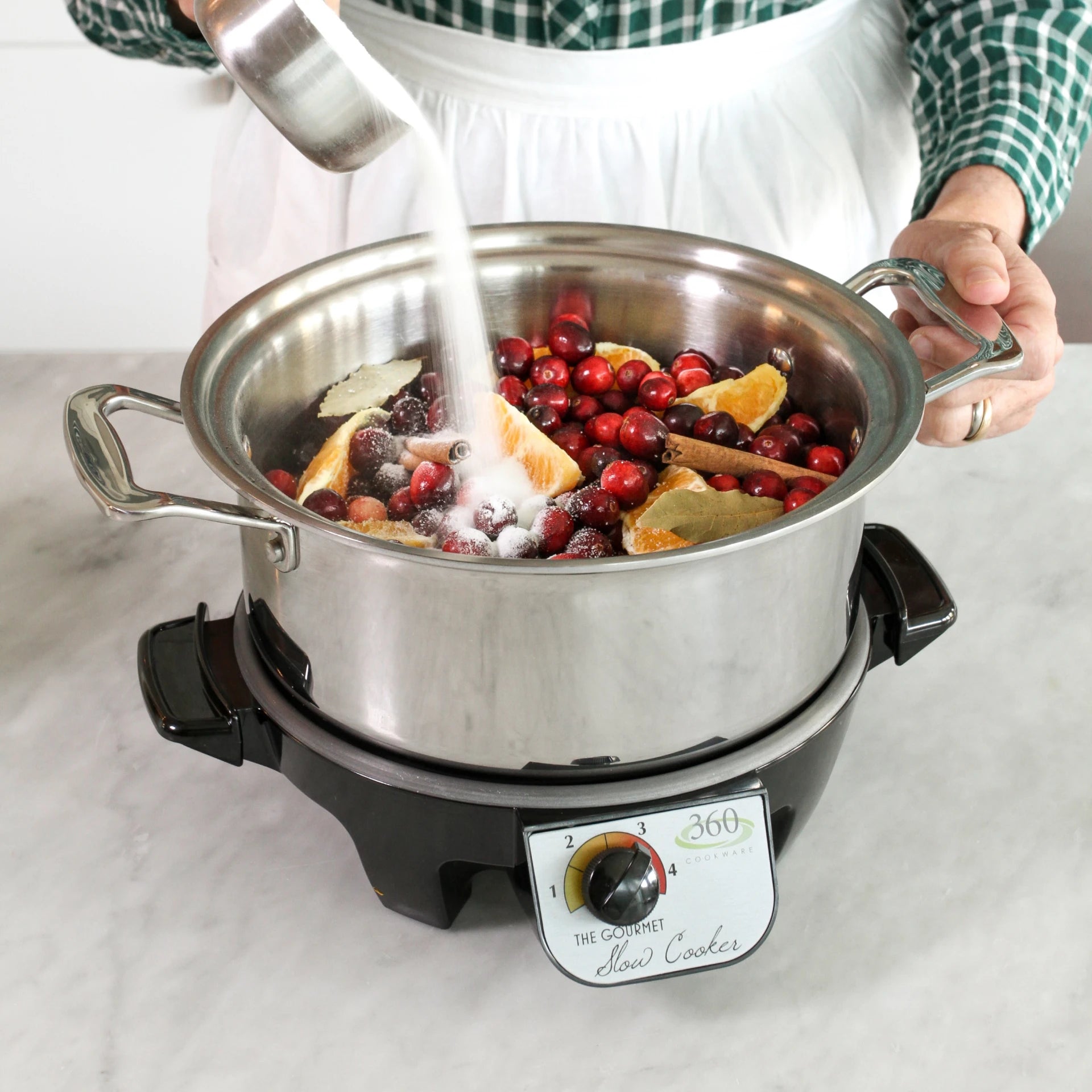
Kitchen Tools

Kitchen Tools

Most conventional kitchen tools are made with plastics, non-stick coatings, and materials that can leach chemicals into your food — especially under heat. Everything here is chosen for safe, durable materials that won’t compromise the clean food you’re working hard to prepare.

How to Choose Safe Kitchen Tools

1. The Problem with Non-Stick Coatings

Traditional non-stick coatings like Teflon (PTFE) are made with PFAS — “forever chemicals” that don’t break down in the environment or the body. When overheated, PTFE coatings can release toxic fumes. Even at normal cooking temperatures, scratched or degraded coatings can flake into food. Safer alternatives include cast iron, carbon steel, stainless steel, and ceramic cookware without PFAS-based coatings.

2. Plastic Kitchen Tools and Heat

Plastic spatulas, spoons, and utensils can leach BPA, BPS, and other plasticizers into food when exposed to heat — which is exactly when you’re using them. Melamine tools and cutting boards are particularly problematic, as melamine can release formaldehyde when in contact with hot or acidic foods. Opt for wood, stainless steel, or food-grade silicone for anything that touches hot food.

3. Best Materials for Kitchen Tools

Stainless steel (18/8 or 304) is durable, non-reactive, and easy to clean. Solid wood (untreated or finished with food-safe oils) is ideal for cutting boards, spoons, and spatulas. Food-grade silicone is heat-resistant and safe for baking and cooking tools. Cast iron is excellent for cookware and some tools. Glass is ideal for storage and measuring. Avoid anything with unknown coatings, bright synthetic dyes, or plastic that will contact hot food.

We avoid PFAS-based non-stick coatings (Teflon and similar), BPA and other bisphenols in plastic tools, melamine (which can leach formaldehyde under heat), and low-quality metals that may contain lead or cadmium. We look for stainless steel, cast iron, wood, glass, and food-grade silicone as preferred materials.

Kitchen Tools FAQs

  • Traditional non-stick pans coated with PTFE (Teflon) are made using PFAS — “forever chemicals” that accumulate in the body and environment. When overheated above 500°F, PTFE releases toxic fumes that can cause flu-like symptoms in humans and are lethal to birds. Even at normal temperatures, scratched or degraded coatings can flake into food. Safer alternatives include cast iron, carbon steel, stainless steel, and ceramic cookware that is verified PFAS-free. We only carry cookware that meets these standards.

  • Start with the tools that contact hot food most directly: non-stick pans (replace with cast iron, carbon steel, or stainless steel), plastic spatulas and spoons (replace with wood or stainless steel), and plastic cutting boards (replace with wood or glass). Next priority: plastic food storage containers (replace with glass), and any scratched or degraded non-stick bakeware. These are the highest-exposure items in most kitchens and the most impactful swaps you can make.

  • Yes — food-grade silicone is considered one of the safer materials for kitchen tools. It’s heat-resistant up to around 400–450°F, doesn’t leach chemicals into food under normal cooking conditions, and is free from BPA and PFAS. The key is making sure it’s actually food-grade silicone — cheap silicone products may contain fillers that can leach at high temperatures. A simple test: pinch and twist the silicone — if it turns white, it likely contains fillers. Pure food-grade silicone stays the same color.

  • Solid hardwood (maple, walnut, teak) is our top pick — it’s naturally antimicrobial, doesn’t harbor bacteria in the same way plastic does, and doesn’t shed microplastics into your food. Glass is also safe but hard on knife edges. Avoid plastic cutting boards, which develop knife grooves over time that trap bacteria and shed microplastic particles into food with every cut. Bamboo is a popular alternative but can be harder on knives and is sometimes bonded with formaldehyde-containing adhesives — look for formaldehyde-free bamboo boards if you go that route.

  • Plastic utensils that contact hot food are a real concern. Heat accelerates the leaching of plasticizers like BPA, BPS, and phthalates into food. Melamine utensils — common in colorful kitchen sets — can release formaldehyde when exposed to heat or acidic foods. Even “BPA-free” plastics often contain replacement chemicals with similar hormonal effects. For anything that touches hot food — spatulas, spoons, ladles — switch to wood, stainless steel, or food-grade silicone.

  • Yamakazi Home is a kitchen organization brand we carry for its thoughtful, non-toxic design. Their products are made without harmful plastics or coatings, and they’re built to keep your kitchen organized in a way that supports a clean cooking environment. We vet every brand we carry — Yamakazi Home made the cut because their materials and construction meet our standards for safe, durable kitchen tools.