How to Choose a Safe Water Bottle
1. Why BPA-Free Isn’t Enough
When BPA was phased out under consumer pressure, manufacturers replaced it with BPS, BPF, and other bisphenol analogs — which studies suggest have similar hormone-disrupting effects. “BPA-free” plastic is not the same as safe plastic. The only way to truly avoid bisphenols is to avoid plastic that contacts your water entirely.
2. Best Materials for Water Bottles
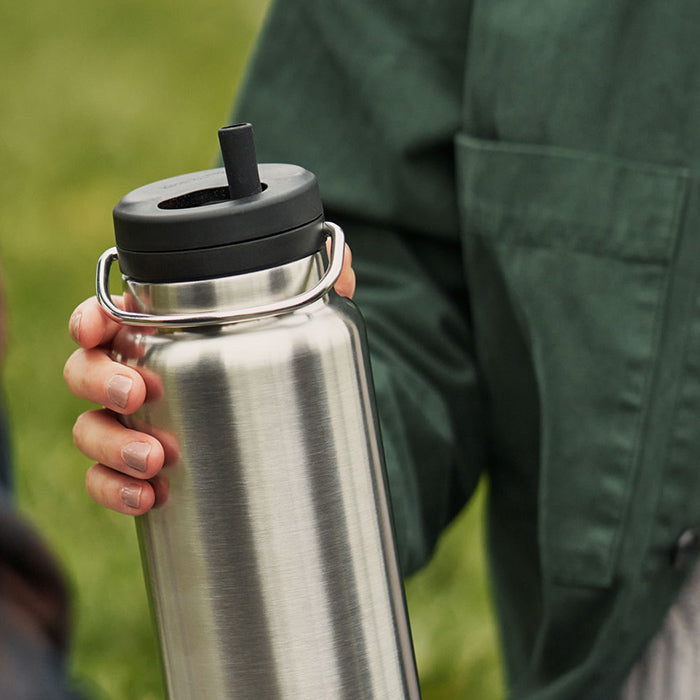
Food-grade stainless steel (18/8 or 304) is our top pick — it’s durable, doesn’t leach, imparts no flavor, and lasts for years. Borosilicate glass is also excellent but less durable for active use. Medical-grade silicone is safe for lids and seals. Avoid aluminum bottles with plastic liners, and check that stainless steel bottles don’t have a painted interior coating.
3. How to Clean a Stainless Steel Water Bottle
Rinse daily with warm soapy water. For deeper cleaning, use a bottle brush with baking soda and white vinegar, or run through the dishwasher if the bottle is dishwasher-safe (check the manufacturer’s instructions). Avoid bleach-based cleaners, which can degrade the stainless steel over time. Clean the lid and seal separately — these are where mold most commonly develops.
Shopping for kids? Read our full Non-Toxic Sippy Cup & Water Bottle Guide for age-by-age recommendations.