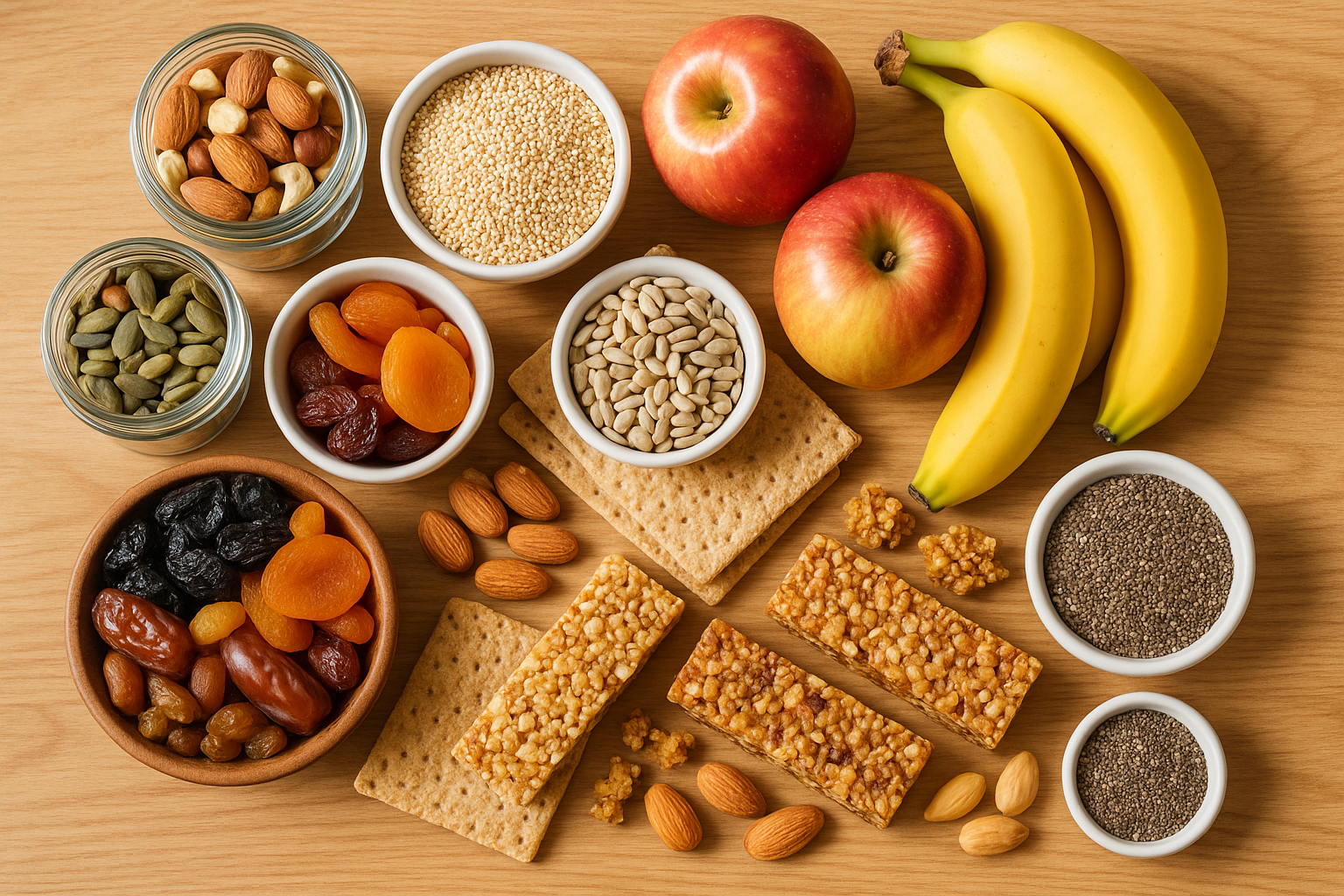
Organic pantry staples including apples, bananas, nuts, grains, and crackers arranged on a wooden surface.

Food & Pantry

Organic certification is a good start — but it doesn’t tell you everything. We go further, vetting every pantry item for packaging safety, processing methods, and ingredient integrity. These are the foods we actually stock in our own kitchens.

How to Build a Truly Clean Pantry

1. Organic Isn’t Enough — Check the Packaging Too

Many organic foods come in packaging lined with PFAS (“forever chemicals”) or BPA-containing plastics. Heat and acidity accelerate leaching, so packaging matters as much as what’s inside. We vet both.

2. Watch for Hidden Ingredients in “Organic” Products

“Natural flavors” is a catch-all term that can hide hundreds of undisclosed chemicals — even in certified organic products. Seed oils (canola, sunflower, safflower) are heavily processed and pro-inflammatory. We avoid both, even when the rest of the label looks clean.

3. Start with the Staples You Use Every Day

The highest-impact swaps are the things you use most: cooking oils, sweeteners, grains, and coffee. Upgrading these first gives you the biggest reduction in daily chemical exposure. Everything in this collection meets our standards — so you can stock your pantry with confidence.

Want to go deeper? Browse all of our grocery guides for category-by-category breakdowns of what to buy and what to avoid.

How We Vet

We look for certified organic ingredients, minimal processing, clean packaging (no PFAS liners, no BPA), and transparent sourcing. We avoid natural flavors, seed oils, and anything with a long list of additives — even if it’s technically “organic.”

Food & Pantry FAQs

  • Organic certification means no synthetic pesticides or GMOs, which is a meaningful improvement. But it doesn’t cover packaging safety, processing methods, or additives like “natural flavors.” We vet all of those too, so everything in this collection goes beyond just the organic label.

  • “Natural flavors” is an FDA catch-all term that can represent hundreds of undisclosed chemicals — even in certified organic products. Because manufacturers aren’t required to disclose what’s in them, we avoid products that list natural flavors as an ingredient.

  • Seed oils like canola, sunflower, and safflower are heavily refined using high heat and chemical solvents, which damages the fats and creates inflammatory byproducts. We prefer cold-pressed olive oil, coconut oil, and other minimally processed fats that retain their nutritional integrity.

  • Start with the things you use every day in the largest quantities — cooking oils, sweeteners, grains, and coffee. These are the highest-exposure items in most kitchens, so upgrading them first gives you the biggest reduction in daily chemical exposure. From there, work through your snacks, condiments, and canned goods.

  • Many food packages — including those for organic products — are lined with PFAS (“forever chemicals”) or contain BPA. We specifically vet packaging materials and prioritize products in glass, unlined cans, or certified non-toxic packaging so you don’t have to worry about what’s leaching into your food.

  • Cold-pressed oils are extracted using mechanical pressure at low temperatures, preserving their natural antioxidants, flavor, and nutritional value. Refined oils are processed with high heat and often chemical solvents, which strips out nutrients and can create harmful byproducts. For cooking and dressing, cold-pressed is always the better choice.