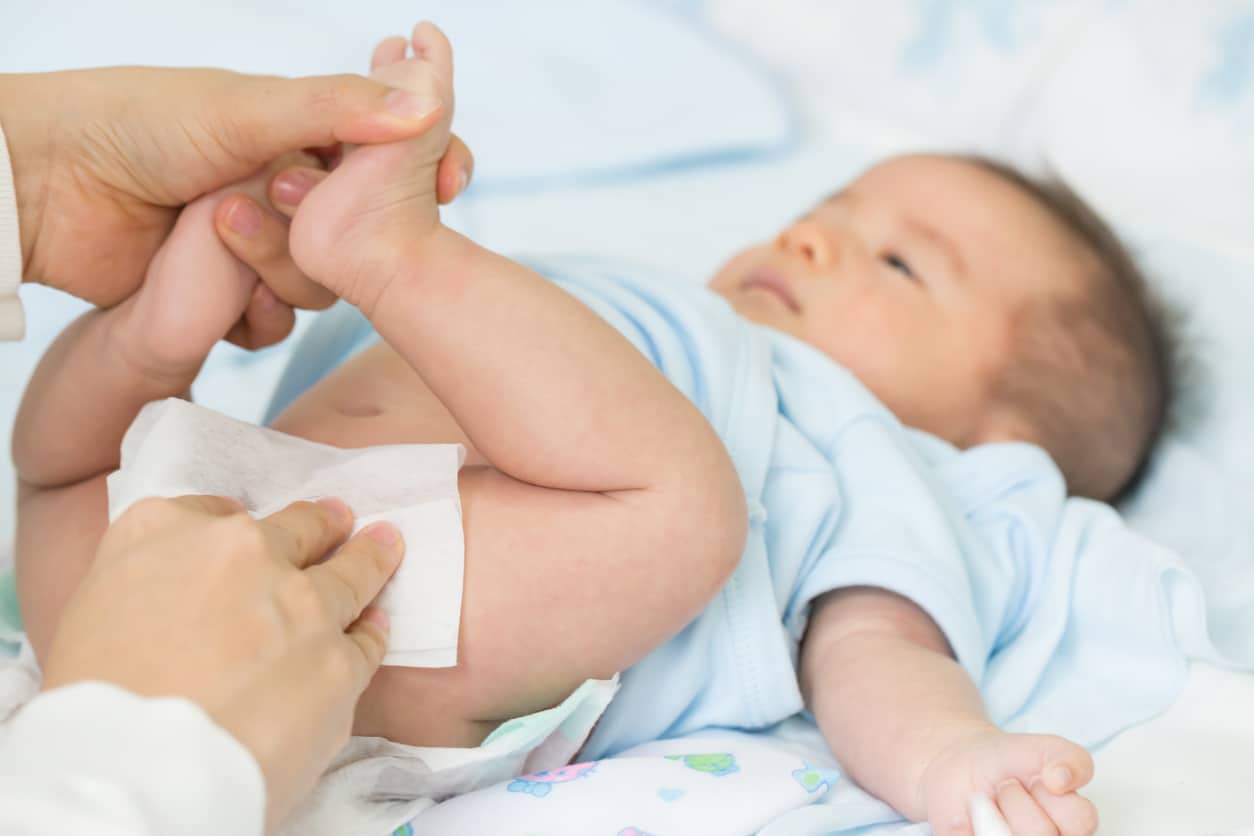
Parent using baby wipes during diaper change with smiling infant on soft bedding.

Baby Wipes

Shop non-toxic baby wipes, including disposable and reusable options for sensitive baby skin.

How to Choose the Best Baby Wipes

The Biggest Ingredient Concerns in Baby Wipes

Synthetic fragrance is the top concern — it’s a common cause of contact dermatitis in babies and contains undisclosed chemical mixtures. Methylisothiazolinone (MIT) and methylchloroisothiazolinone (CMIT) are preservatives that are potent skin sensitizers, banned in leave-on products in the EU, and unfortunately still found in some US baby wipes. Propylene glycol, used as a humectant and solvent, can be irritating to compromised or sensitive skin. Even "fragrance-free" wipes sometimes contain masking fragrances — check that unscented is confirmed, not just unlabeled.

Disposable vs. Reusable Baby Wipes

Reusable cloth wipes — typically organic cotton or bamboo — are the cleanest option since they involve no preservatives or chemical additives. Used with plain warm water, they’re ideal for newborns with very sensitive skin. Disposable wipes are more convenient for on-the-go use; the key is choosing ones with minimal, fully-disclosed ingredients. For newborns especially, plain water wipes or reusable cloth wipes are the most conservative choice during the first few weeks when skin barrier function is still developing.

What to Look for on the Label

The ideal baby wipe ingredient list is short: water, a plant-derived cleanser, a gentle humectant like glycerin, and a minimal preservative system. Organic cotton or plant-based fiber construction is preferable to polyester. EWG Verified or MADE SAFE certified wipes have been independently screened for ingredient safety. When in doubt, fewer ingredients is almost always better for newborn and sensitive skin.

Read our full Best Baby Wipes Guide for brand-by-brand ratings and our current top picks.

How We Vet

We avoid synthetic fragrance, MIT and CMIT, propylene glycol, parabens, phenoxyethanol at high concentrations, and alcohol. We look for water as the primary ingredient, plant-derived cleansing agents, gentle and minimal preservative systems, and wipes made from natural or organic fibers (cotton, bamboo) rather than polyester. We prefer brands that fully disclose ingredients and test for skin safety in newborns and sensitive skin.

Baby Wipes FAQs

  • The best baby wipes are fragrance-free, have short fully-disclosed ingredient lists, use water as the primary ingredient, and avoid preservatives like MIT, CMIT, and parabens. Plant-based fiber construction (organic cotton or bamboo) is preferable to polyester. The cleanest options are either reusable cloth wipes used with plain water, or disposable wipes with minimal ingredients and independent safety certification like EWG Verified or MADE SAFE. For newborns, fewer ingredients is always better — plain water wipes or organic cloth wipes are the most conservative choice. Please refer to our Best Baby Wipes Guide for our current brand ratings and top picks, which are updated regularly.

  • The most important ingredients to avoid in baby wipes are synthetic fragrance (a leading cause of contact dermatitis in babies), methylisothiazolinone (MIT) and methylchloroisothiazolinone (CMIT) (preservatives banned in leave-on products in the EU that are potent skin sensitizers), parabens, propylene glycol (a solvent and humectant that can irritate sensitive skin), and alcohol. Even wipes labeled "unscented" can contain masking fragrances — look for "fragrance-free" specifically. Polyester fiber construction is also worth avoiding in favor of organic cotton or bamboo, which are gentler and more sustainable. The shorter and more recognizable the ingredient list, the better.

  • Most conventional baby wipes are not ideal for newborns, whose skin barrier is still developing and significantly more permeable than older babies. Newborn skin absorbs chemicals at higher rates, making ingredient quality especially important in the first weeks. Plain warm water with reusable organic cotton cloths is the safest option for newborns. If using disposable wipes, choose ones specifically formulated for newborns with minimal ingredients — ideally just water, a gentle plant-derived cleanser, and glycerin. Avoid any wipes with fragrance, MIT, or multiple preservatives during the newborn stage. Many pediatric dermatologists recommend plain water for the first 4–6 weeks regardless of which wipes you plan to use long-term.

  • The best fragrance-free baby wipes go beyond just omitting fragrance — they also avoid MIT, parabens, and propylene glycol, which are common co-irritants in conventional wipes. True fragrance-free means no fragrance compounds of any kind, including masking fragrances sometimes used to neutralize chemical odors without adding a scent. Look for wipes that list water as the first ingredient, use organic cotton or bamboo fiber, and carry independent certifications like EWG Verified or MADE SAFE. Our Best Baby Wipes Guide includes a curated list of our top fragrance-free picks with full ingredient assessments.

  • Water Wipes are widely considered one of the cleaner mainstream baby wipe options due to their minimal ingredient list — primarily water and a small amount of fruit extract. Their simplicity makes them a popular choice for newborns and sensitive skin. However, “safest” depends on what you’re optimizing for: Water Wipes use a grapefruit seed extract preservative that some sources have raised questions about in terms of processing. They’re also a disposable polyester-fiber product. Reusable organic cotton wipes used with plain water remain the most minimal option overall. Please verify our current rating of Water Wipes against our Best Baby Wipes Guide, which includes up-to-date ingredient analysis and alternatives.

  • Baby wipes are formulated to be gentler than standard cleaning or personal care wipes — they’re pH-balanced for skin (around 5.5), use milder cleansing agents, and are intended for repeated contact with sensitive skin. Regular cleaning wipes, disinfecting wipes, and facial wipes often contain alcohol, stronger surfactants, fragrances, and disinfecting agents that are inappropriate for use on baby skin. The “baby” label doesn’t guarantee safety — many conventional baby wipes still contain problematic preservatives and fragrance — but the category is formulated with skin contact in mind in a way that household cleaning wipes are not. Always use wipes specifically labeled and formulated for babies on infant skin, and check ingredients regardless of category claims.

  • From a safety and ingredient standpoint, yes — reusable cloth wipes used with plain warm water have zero chemical additives, making them the purest option for baby skin, especially in the newborn stage. From a sustainability standpoint, they also win significantly: a set of reusable wipes replaces thousands of disposables over the diapering years, eliminating both the plastic waste and the chemical manufacturing footprint. The practical tradeoff is wash management — reusable wipes require a dedicated wash routine and aren’t as convenient for travel or on-the-go use. Many parents use reusable wipes at home and clean disposables when out. Organic cotton or bamboo are the best materials for reusable wipes — soft, durable, and genuinely gentle on sensitive skin.