It seems we can’t enjoy anything anymore, doesn’t it? From fish todark chocolate, so many healthy foods are now under fire for being contaminated with everything from naturally-occurring heavy metals to industrial pollutants. Unfortunately, tea is no exception.Microplastics in tea bags, for instance, are something that’s worth worrying about.
On the other hand, tea has many health benefits. Drinking tea may reduce your risk of heart disease and breast cancer, lower your blood glucose, and protect against dementia--most likely due to tea’s high antioxidant content. If you’re a coffee drinker, there’s good news as well: that’s a superfood, too. And here’s how to detox your morning brew.)
So the the bad news is that yes, there are toxins in tea, but the good news that tea is really good for you, and there are plenty of clean tea brands to choose from.
Let’s get into it.
Why You Can Trust Gimme's Guides
Our team, which includes PhD scientists, has been obsessively researching and writing about safer, non-toxic products since 2010. Our vetting process draws on the latest peer-reviewed research and third-party testing, and we only recommend products that meet our strict standards. When we use affiliate links, it never influences which products we approve.Click here for more about how we vet products.
Non-Toxic Tea: The Bottom Line
Many tea brands contain pesticides, heavy metals, or plastic from tea bags. We investigated dozens of brands to find the safest, pesticide-free options. Here are the brands we like best for most people, and you can keep reading to learn more about dozens of other teas.
We've curated a great selection of non-toxic tea in our marketplace--every brand and variety has been handpicked for both safety and quality. Thank you for supporting our small family business!
Unfortunately, there a bunch of ways that toxins end up in your morning cup of tea. What follows are the ones I am most worried about.
Paper tea bags can be a problem because of a chemical called epichlorohydrin, which is used to keep the bags from breaking. Epichlorohydrin will leach when exposed to hot water, and is a potential carcinogen and reproductive toxin. You can avoid this risk by staying away from brands of tea that use bleached paper tea bags, such as cheap generic or store brands of tea. (Paper coffee filters can also be treated with epichlorohydrin, which is why we recommend stainless steel coffee filters.) Paper tea bags might also have plastic components, such as plastic linings or glues that hold the bags together.
Silky, pyramid-style tea bags (often called sachets) are typically made from plastic, most commonly polyethylene terephthalate (PET), sometimes blended with polypropylene or rayon. PET is often described as a “safer” plastic because it is relatively stable, but it is still a plastic. While PET has a high melting point, its glass transition temperature is well below boiling, meaning the material becomes more flexible at brewing temperatures. Research has shown that plastic tea bags can release microplastics and nanoplastics when steeped in hot water, making these sachets an avoidable source of plastic exposure.
So-called “bioplastic” tea bags—usually made from polylactic acid (PLA) or other plant-derived plastics such as sugar cane or potato starch—fall into a gray area, what we consider Okay Stuff if you're not using them daily. Although these materials are marketed as more natural or eco-friendly, they lack strong long-term safety data for repeated exposure to hot liquids. Environmentally, they are also often misunderstood: most bioplastics do not biodegrade in home compost and require industrial composting conditions. Given that many brands now offer fully plastic-free tea bags or loose-leaf options, we recommend avoiding bioplastic tea bags if you're drinking tea daily.
There is also the issue of toxins in the tea itself, with reports showing unsafe pesticide levels in tea that’s imported from China. Heavy metals from contaminated soil (including lead, aluminum, arsenic, and cadmium) may be present in both organic and conventional teas. Although the lead levels are below unsafe drinking levels, steeping tea for less time reduces heavy metal exposure and is thus a good safety precaution.
If you brew your tea in unfiltered water, that can introduce additional toxins. So, this is another good reason to get a water filter!
Bottom Line: Are Tea Bags Bad For You?
As you can see, the biggest source of toxins in tea is often the bags themselves. To get around this, choose powdered teas from brands who test for toxins, teas that come in unbleached paper bags without any glues, or loose leaf teas steeped in stainless steel or organic cotton. See the list below for Good-Stuff approved brands.
My Favorite Tea Kettle
I love this electric kettle for brewing loose-leaf teas. It’s made of durable stainless steel with a generous capacity–I drink a lot of tea so I need a big old vessel like this one. It also has precise temperature control. I have gotten pickier about the temp I use to brew my tea, so this is important.
Best Stuff
Art of Tea Loose Leaf
One of my favorite loose teas (try their jasmine pearls!).
Many blends are organic.
They undergo third party testing with a Certificate of Analysis (COA) from each supplier for every batch, plus In-house lead testing at certified local laboratories.
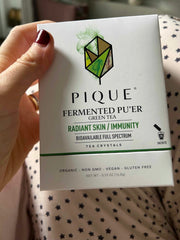
Pique’s Fermented Pu’er Green Tea is one of my favorite tea when it comes to health benefits, purity/lack of contamination, flavor, and convenience of preparing.
The convenience of Pique’s tea packets is unrivaled–you just empty the powder into hot or cold water.
Pique cold-extracts their teas to preserve the maximum polynutrients and you can truly taste the difference.
The tea is also screened for a range of toxins and pesticides.
Cost per serving: $2.07 (the regular teas from Pique are much less)
Use code GIMME5 for 5% off your first order at Pique.
Mighty Leaf - Their signature pyramid tea bags are fabricated from a fine synthetic mesh, not paper. Our best guess is that it's made of nylon or a similar petroleum-derived polymer, not a plant-based bioplastic like PLA.
Recommended Tea Accessories
Tea vs Coffee: What Our Community Drinks
When we recently asked our community about their go-to hot beverage, 43% chose coffee, 26% chose tea, and 26% said both. Whether you're a dedicated tea drinker or splitting your time between coffee and tea, understanding toxin exposure matters. Click here to check our our own Organic Coffee line.
I hope this guide helps you choose a non-toxic tea and enjoy this cozy habit with peace of mind.
Stay sane,
Maia, Founder & CEO
Note: This article contains affiliate links or sponsored content, which means that if you make a purchase, we may earn a commission. We only recommend products that meet our strict standards for non-toxicity and that we use (or want to use!) ourselves. Thank you so much for supporting the brands that make Good Stuff!
Maia, is decaf tea processed in the same way as decaf coffee? Are there safe decaf tea options?
Denise Vanlaten
Look out for those who use organic farmed but the processor processes chemically.
CanaryDawn
Unfortunately this barely scratches the surface & doesn’t address mycotoxin.
Shannon
how about Planet organic Australian Brand
Shirley G Oskamp
Do you have any recommendations on electric tea pots? Glass, stainless, ceramic… what is the best material to look for? Do you have any recommended brands?
We get it. The convenience of Amazon shopping is hard to beat. We’ve created an Amazon shop with all the non-toxic products we recommend and use in our own homes. They are all organized by topic and easy to navigate.
Tea can contain several toxins depending on growing conditions and processing methods. Common concerns include pesticide residues, heavy metals like lead and cadmium (which accumulate in tea leaves), fluoride, and mold toxins. The level of contamination varies significantly by tea type, origin, and farming practices. Black and oolong teas tend to accumulate more heavy metals than white or green teas due to their processing methods.
Look for brands that prioritize transparency and testing. Choose teas that are certified organic, as this reduces pesticide exposure. Seek out brands that conduct third-party testing for heavy metals and contaminants. Reputable brands will provide test results or certifications upon request. Consider brands that source from regions with strict agricultural regulations and lower pollution levels.
It can be, because you consume the entire ground leaf instead of discarding it. That makes sourcing important. Look for matcha from clean regions with heavy-metal testing.
Yes. Contaminants come from the leaves. Bottled iced teas can add extra concerns like plastic packaging and sugar, so homemade is usually cleaner.
Yes. Using filtered water, avoiding very long steep times, and discarding a quick first rinse (for loose leaf) can help reduce surface contaminants. Most heavy metals stay in the leaves, not the brewed tea.
Key certifications to look for include USDA Organic (ensures no synthetic pesticides), Fair Trade (supports ethical farming), Rainforest Alliance (promotes sustainable practices), and third-party testing certifications like NSF or USP. Some brands also pursue certifications specifically for heavy metal testing. Organic certification is particularly important as it prohibits synthetic pesticides and requires regular soil testing.
Choosing & Avoiding Contaminants
Purchase certified organic tea whenever possible, as organic farming prohibits synthetic pesticides. Avoid conventional teas from regions with less stringent agricultural regulations. Choose loose-leaf tea over tea bags when possible, as some tea bags may contain microplastics or bleach residues. Research the tea brand's sourcing practices and ask about their pesticide testing protocols. Consider rotating between different tea brands and types to minimize exposure to any single contaminant.
Tea plants naturally accumulate fluoride from soil. Older leaves tend to contain more. Drinking tea in moderation, choosing higher-quality teas, and rotating beverages can help avoid excess intake.
Many conventional tea bags are made from materials that may leach microplastics or contain bleach residues. Look for tea bags made from natural materials like paper, cotton, or silk. Better yet, choose loose-leaf tea and use a stainless steel infuser or cloth strainer. If using tea bags, opt for brands that specifically state their bags are plastic-free and made from unbleached, natural materials. Some premium brands offer compostable tea bags as a safer alternative.
Tea Types & Heavy Metals
White tea and green tea generally have lower heavy metal content compared to black and oolong teas. This is because white and green teas use younger leaves and buds, which accumulate fewer heavy metals over time. However, the origin and farming practices matter significantly. A high-quality, organic white tea from a clean region will be safer than a conventional black tea. Always prioritize organic certification and third-party testing over tea type alone.
Tea can contain aluminum from soil, especially in lower-grade teas made from mature leaves. While most people tolerate small amounts, choosing younger-leaf teas and rotating beverages helps reduce long-term exposure.
Still have questions about tea safety?
We're here to help you make informed choices about your tea. If you have specific questions about tea toxins, certifications, or brand recommendations, feel free to reach out to our team. We're passionate about helping you find the safest, highest-quality tea options.










20 comments
Sylvia
Maia, is decaf tea processed in the same way as decaf coffee? Are there safe decaf tea options?
Denise Vanlaten
Look out for those who use organic farmed but the processor processes chemically.
CanaryDawn
Unfortunately this barely scratches the surface & doesn’t address mycotoxin.
Shannon
how about Planet organic Australian Brand
Shirley G Oskamp
Do you have any recommendations on electric tea pots? Glass, stainless, ceramic… what is the best material to look for? Do you have any recommended brands?