Toothpastes

Toothpastes

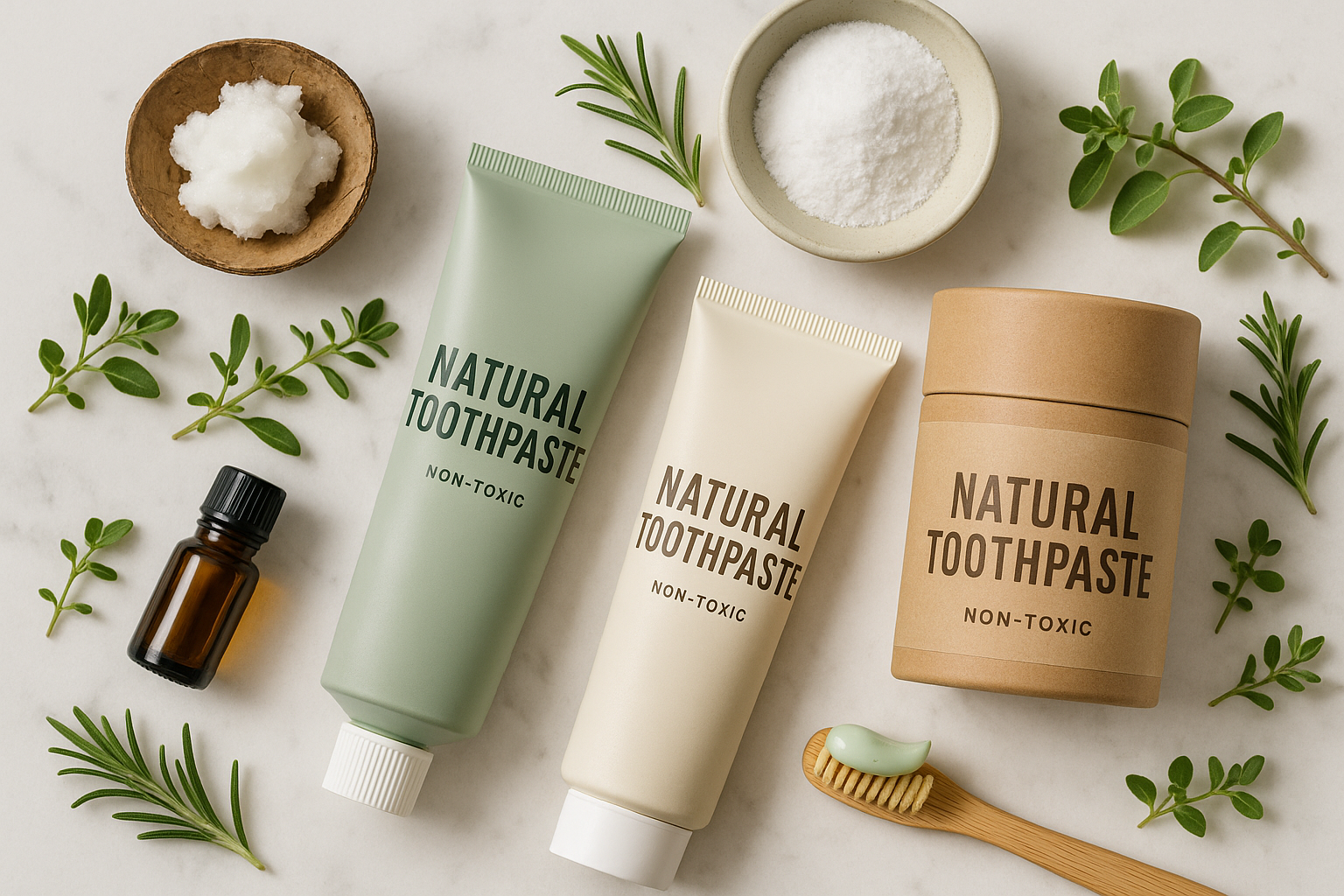
Toothpaste sits in your mouth twice a day, every day, and a significant portion is swallowed — especially by children. Despite this, the ingredient standards for toothpaste are surprisingly permissive, and most conventional formulas contain sweeteners, preservatives, synthetic flavoring compounds, and processing aids that many families want to avoid. The toothpaste aisle has also generated more specific ingredient-avoidance questions than almost any other personal care category: xylitol sensitivity, sorbitol intolerance, fluoride concerns, PFAS contamination, sodium benzoate, and more. Every toothpaste here has been vetted against our full ingredient standard and our non-toxic toothpaste guide.

How to Choose a Non-Toxic Toothpaste

The toothpaste category generates more specific ingredient questions than almost any other in our store. Here’s a practical guide to the most common concerns:

Xylitol-Free Toothpaste: Who Needs It and Why

Xylitol is a natural sugar alcohol with genuine dental health benefits — it inhibits the growth of Streptococcus mutans (the primary bacteria responsible for tooth decay) and reduces plaque formation. For most people, xylitol is a positive ingredient in toothpaste. The reason to avoid it: xylitol is acutely toxic to dogs, causing rapid insulin release, hypoglycemia, and potentially fatal liver failure even in small amounts. Households with dogs need xylitol-free toothpaste to eliminate accidental exposure risk. Some people also have digestive sensitivity to sugar alcohols including xylitol, experiencing bloating and GI discomfort. We carry xylitol-free options for both situations — they use alternative approaches to remineralization and antibacterial activity including hydroxyapatite, which has strong research support as an effective xylitol alternative.

Fluoride vs. Fluoride-Free: The Evidence

Fluoride is the most evidence-backed ingredient in oral care — decades of research and population data consistently show that fluoride toothpaste reduces tooth decay rates, and every major dental professional organization recommends it. The concern driving fluoride-free demand is fluorosis: excessive fluoride intake during tooth development (ages 0–8) can cause white spots or streaking on permanent teeth. This is primarily a concern from swallowed toothpaste, which is why the recommendation is to use only a rice-grain amount of fluoride toothpaste for children under 3 and a pea-size amount for children 3–6. Systemic fluoride toxicity from toothpaste use at recommended amounts is not a documented clinical concern for healthy adults. Our position: fluoride toothpaste is the evidence-based choice for most adults and children over 2 when used as directed; fluoride-free with hydroxyapatite is a reasonable alternative for families who prefer it, supported by growing research. We carry both.

SLS: Why We Exclude It

Sodium lauryl sulfate (SLS) is the foaming agent in most conventional toothpastes — it serves no functional cleaning purpose and is included entirely for the foam sensation that consumers associate with cleaning. SLS is a known oral mucosa irritant: multiple studies have found that SLS-containing toothpaste significantly increases canker sore (aphthous ulcer) frequency and severity in susceptible individuals. The effect is well-documented enough that switching to SLS-free toothpaste is a standard recommendation for recurrent canker sore sufferers. Beyond canker sores, SLS disrupts the phospholipid layer of taste receptor membranes, which is why everything tastes bitter or metallic immediately after brushing — including orange juice. SLS-free toothpastes clean just as effectively (cleaning comes from abrasives, not foam) and produce none of these side effects. We exclusively carry SLS-free formulas.

Hydroxyapatite: The Science-Backed Fluoride Alternative

Hydroxyapatite (HAp) is the primary mineral component of tooth enamel — approximately 97% of enamel is hydroxyapatite. Nano-hydroxyapatite toothpaste works by directly remineralizing enamel with the same mineral it’s made from, filling in micro-abrasions and early caries lesions. The research base is substantial: multiple randomized controlled trials have found nano-hydroxyapatite comparable to fluoride in preventing enamel demineralization and promoting remineralization, with a 2019 meta-analysis finding equivalent efficacy to fluoride in cavity prevention. Hydroxyapatite is particularly well-studied in Japan, where it has been used in toothpaste for decades. It is safe to swallow in any quantity (it’s the same mineral as bone), making it the preferred choice for young children who swallow toothpaste and for anyone who prefers to avoid fluoride entirely.

We screen toothpastes for: no synthetic fragrance or artificial flavors; no saccharin or artificial sweeteners (aspartame, sucralose); no sodium lauryl sulfate (SLS) — a harsh surfactant that disrupts the oral mucosa, causes canker sores in sensitive individuals, and is unnecessary in toothpaste; no titanium dioxide — a whitening agent with inhalation and potential systemic concerns that is banned in food products in the EU; no carrageenan — a common thickener with gut inflammation concerns; no triclosan (banned in hand soap but still appearing in some toothpastes); no PFAS or PFAS-containing packaging; no sodium benzoate (particularly in formulas with vitamin C or citric acid due to benzene formation risk); and full ingredient transparency. We also offer options for specific avoidance needs including xylitol-free (for dogs in the household or xylitol sensitivity), sorbitol-free, fluoride-free, and SLS-free formulas. We evaluate efficacy seriously — a toothpaste that’s clean but doesn’t clean teeth effectively doesn’t belong in our collection.

Toothpaste FAQs

  • Yes — xylitol-free toothpaste can be fully effective when it uses well-researched alternatives. The most evidence-backed xylitol alternative is nano-hydroxyapatite (nHAp), the primary mineral component of tooth enamel. Multiple randomized controlled trials have found nano-hydroxyapatite comparable to fluoride (and by extension to xylitol) in preventing enamel demineralization and promoting remineralization. Hydroxyapatite works by directly replenishing the mineral structure of enamel, filling in micro-abrasions and early lesions with the same material enamel is made from. It’s been used in Japanese toothpaste for decades with strong safety and efficacy data. The main reasons to choose xylitol-free: households with dogs (xylitol is acutely toxic to dogs even in small amounts from shared toothpaste or accidental ingestion); and GI sensitivity to sugar alcohols. For these situations, a hydroxyapatite-based xylitol-free toothpaste provides equivalent protection without the concern.

  • The best non-toxic kids toothpaste avoids SLS, artificial sweeteners, synthetic flavors, titanium dioxide, carrageenan, and triclosan — all common in conventional children’s toothpaste. For children under 3 who swallow most of what they brush with, hydroxyapatite-based toothpaste is the safest active ingredient choice: hydroxyapatite is the mineral enamel is made from, is completely safe to swallow in any amount, and has strong research support for cavity prevention. For children 3 and up, both fluoride and hydroxyapatite formulas are appropriate — fluoride remains the gold standard evidence-wise; hydroxyapatite is a legitimate alternative for families who prefer to avoid fluoride. Flavor matters a lot for kids: natural mild mint or fruit flavors from essential oils tend to be better tolerated than the artificial bubblegum and candy flavors in conventional kids toothpaste, which can drive excessive swallowing. Check the ingredient list for any sweetener — small amounts of xylitol or stevia are acceptable, but saccharin and other artificial sweeteners have no place in children’s toothpaste. See our full non-toxic toothpaste guide for specific product recommendations by age.

  • Fluoride is the most evidence-backed active ingredient in oral care — decades of research consistently show it reduces tooth decay by strengthening enamel and inhibiting the bacteria that cause cavities. Every major dental organization recommends fluoride toothpaste. The primary concern driving fluoride-free demand is dental fluorosis: excessive fluoride intake during tooth development (ages 0–8) can cause white spots on permanent teeth, primarily from swallowed toothpaste. This risk is managed by using the correct amount — a rice-grain amount for children under 3, a pea-size amount for children 3–6 — not by eliminating fluoride entirely. Systemic fluoride toxicity from toothpaste used at recommended amounts is not a documented concern for healthy people. Fluoride-free with nano-hydroxyapatite is a legitimate evidence-based alternative — multiple studies show comparable cavity-prevention efficacy, and it’s safe to swallow in any amount. Our honest recommendation: fluoride if you follow the evidence and use the correct amount; nano-hydroxyapatite if you prefer to avoid fluoride or have young children who swallow toothpaste. Both are meaningfully better than conventional toothpaste with problematic inactive ingredients.

  • Sodium lauryl sulfate (SLS) is the foaming agent in most conventional toothpastes, and it has no functional role in cleaning teeth — foam is a sensory expectation, not a cleaning mechanism. Teeth are cleaned by the abrasive action of the toothpaste and the mechanical action of brushing, not by foam. SLS is included purely because consumers associate lather with cleanliness. The documented problems with SLS in toothpaste: canker sores — multiple peer-reviewed studies have found that SLS-containing toothpaste significantly increases the frequency and severity of aphthous ulcers (canker sores) in susceptible individuals; switching to SLS-free toothpaste is a standard clinical recommendation for recurrent canker sore sufferers. Taste disruption — SLS temporarily disrupts the phospholipid membrane of taste receptor cells, which is why foods taste bitter or metallic immediately after brushing; this effect disappears with SLS-free toothpaste. Oral mucosa irritation — SLS is a known irritant that can disrupt the protective mucous layer of the mouth with repeated daily exposure. All toothpastes in our collection are SLS-free.

  • Yes — PFAS contamination in toothpaste is a documented concern. A 2023 study found PFAS compounds in several major toothpaste brands, with concentrations higher in products marketed for whitening and sensitivity. The PFAS in toothpaste comes from two potential sources: PFAS-containing ingredients intentionally used as surfactants or processing aids (some fluoropolymer compounds have historically been used in dental products); and PFAS contamination from packaging, particularly from tubes with inner coatings that contain PFAS. The latter is a broader packaging issue that affects many personal care products. Given that toothpaste is used twice daily in the mouth — a mucous membrane with direct absorption into the bloodstream — PFAS exposure from toothpaste is a meaningful pathway. All toothpastes in our collection are screened for PFAS-free formulation and PFAS-free packaging where manufacturer data is available. If a brand cannot confirm PFAS-free status, we don’t carry them.

  • Sorbitol is a sugar alcohol used as a humectant and sweetener in most conventional and many natural toothpastes — it keeps the paste from drying out and provides mild sweetness. For most people, sorbitol in toothpaste is not a concern. The reasons to seek sorbitol-free toothpaste: IBS and digestive sensitivity — sorbitol is a known FODMAP (fermentable oligosaccharide) that causes bloating, gas, cramping, and diarrhea in people with IBS or fructose malabsorption; even the small amounts swallowed during brushing can trigger symptoms in sensitive individuals; this is particularly relevant for children who swallow more toothpaste than adults. Sorbitol sensitivity can also manifest as general GI discomfort without a diagnosed condition. If you’ve noticed GI symptoms that you can’t otherwise explain and you use conventional toothpaste, switching to a sorbitol-free formula is a reasonable experiment. Sorbitol-free toothpastes use alternative humectants like vegetable glycerin or simply have a drier formulation. We carry sorbitol-free options for both adults and children.

Popular Blog posts

View all